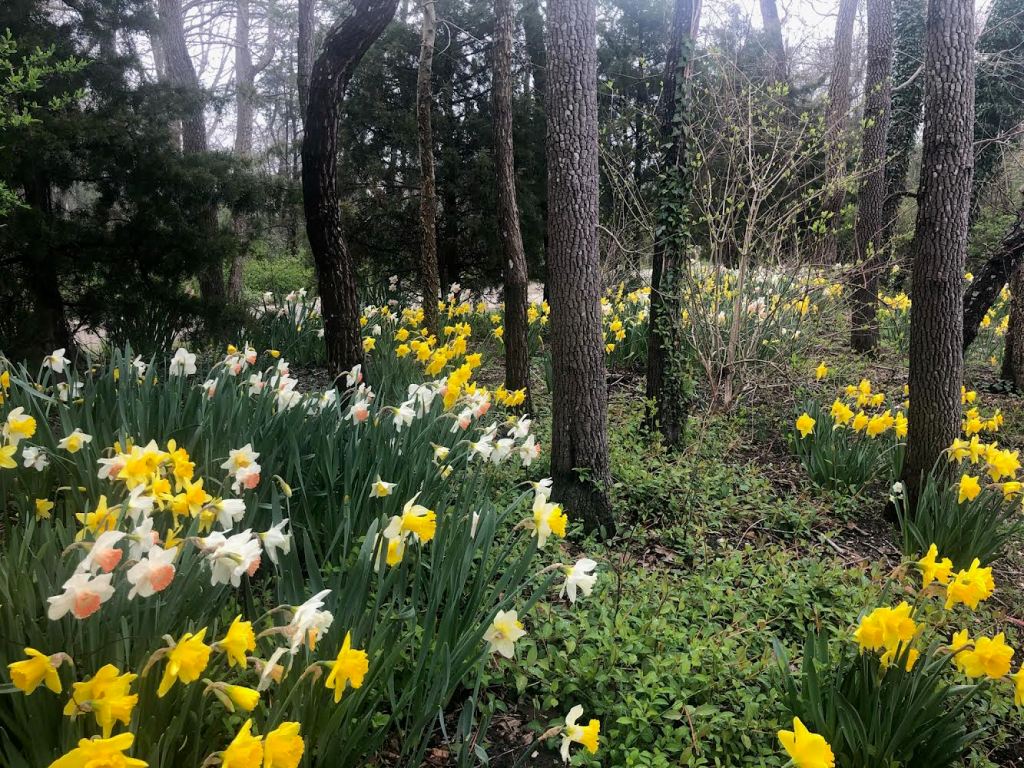


It never ceases to amaze me how time passes. It was not that long ago that it seemed spring would never arrive, as each tiny green shoot ever-so-slowly poked its way above the newly thawed soil, followed by another, then another—slowly, fitfully bringing that special, brand-new, bright green, nitrogen-rich color of the vernal season upon us. While the woods were still open, before the hardwood trees leafed out, we were flooded with the bountiful yet subtle beauties we call spring ephemerals. But the seasonal clock kept ticking, and the forest filled in and morphed into the deep, dark green of summer, shifting the floral display to the open, sunny fields and meadows.
The highlight of our local wildflower season should have been when our abundant milkweeds flowered in time for the annual arrival of the monarchs. Unfortunately, we’ve had only a few of these butterfly kings and queens show up, as they still struggle in their home habitat in Mexico. Our other local long-distance migrator, the ruby-throated hummingbird, arrived on schedule and in what appear to be normal numbers. As an amateur observer, I get the impression there are fewer insects in general—definitely not as many bees as there should be. Of course, there’s no shortage of insects inimical to humans, like mosquitoes and various tick species (definitely more ticks than ever), but I’m not walking in the cloud of insects buzzing all around, as was common during the midpoint of summer years ago.
Also, just judging by the “windshield effect,” the bug population seems down. Our Cricket Chorus—crickets, seasonal cicadas, and katydids—sounds healthy, chanting day and night. It’s definitely been a great season for fireflies, though never long enough. They are fading now, having succeeded in increasing their kind. I always love them and wish they could grow fur and bless us with their presence year-round. There have been plenty of dragonflies this year, doing their part to trim the small insect population. I’m not certain, but it also seems the small-bird population is down somewhat, which makes sense given their dependence on insects. No such issues with the various hawks, herons, and certainly not with the burgeoning bald eagle population.
We’ve had just enough rain to avoid drought and fires, keeping everything a rich, dark green. The days are noticeably shorter, the sun not rising as high in the sky as before, and the thistledown flies in the warm wind of late summer. While fall is indeed on the way, summer is still here. Let’s enjoy it, for a colder time is coming, when memories of the sun’s warmth will sustain us.
“Ranger” Dave Holden is a New York State DEC-licensed hiking guide. Send correspondence to
woodstocktrails@gmail.com.