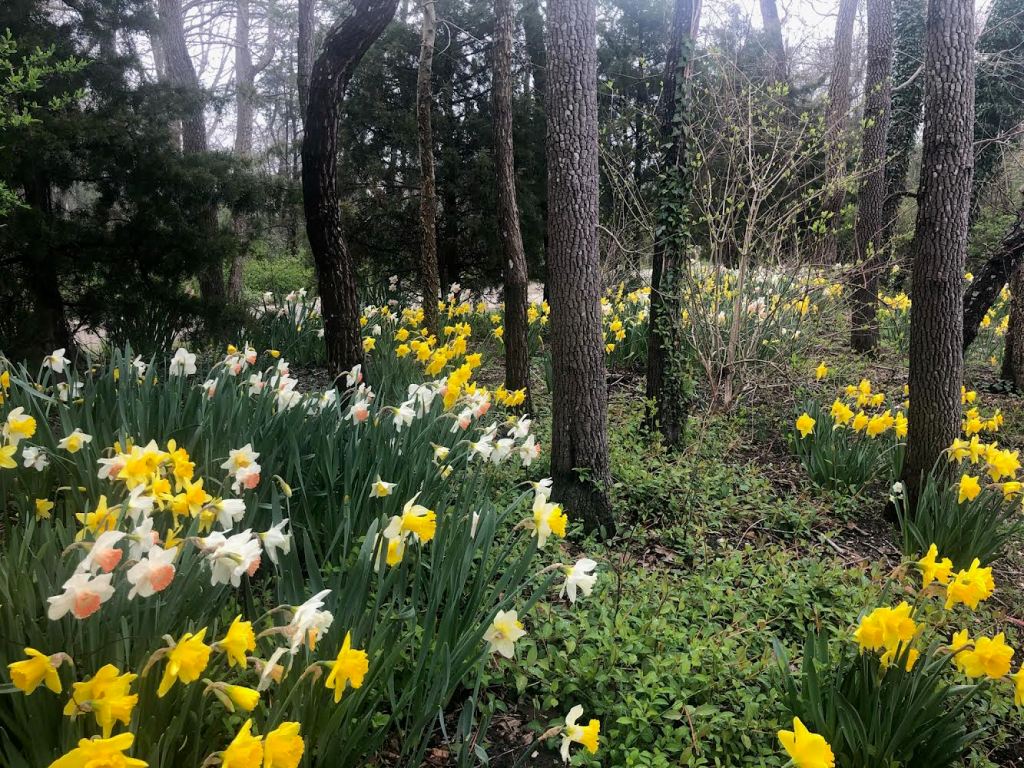


So I’m walking down Route 212, from Bearsville into town. And, yes, I must have a death wish. But I do want to preserve a memory of it as it is before the Complete Streets effort grabs it by the throat and changes it for the rest of our lives.
And I’m thinking: Whoever said “the more things change, the more they stay the same” obviously didn’t, as my mother would say, know from borscht.
Everything changes, and, face it, when things change, they change. Sometimes we change with it. Sometimes we don’t.
It applies to people, and just as much to towns. It certainly applies to Woodstock, a relatively change-averse place where the longtime operating motto comes closer to: “The more things stay the same, the more we want them to stay that way.” That is followed closely by: “That’s my property line, you can’t put that fence there,” and “Don’t even think about relocating that rock—somebody told me Bob Dylan once stubbed his toe on it.”
When the painter Bolton Brown came over that mountain in the early 20th century and helped set the wheels in motion for artists and utopian true believers to call this place home, things surely changed and haven’t been the same since. Just ask the farmers and rural folk who were here first and must have regarded the newcomers the way they looked at locusts descending on their crops. And ask the Lenni Lenape how they felt when those pioneer settlers arrived and made themselves at home—if you can find any Lenni Lenape to ask.
Those of us who moved here, or grew up here and stayed, did so because we liked what we saw or felt and didn’t want to see it change. Sure, you expect some things to change in a small, slow, orderly and unshocking way. A restaurant closes and another pops up in the same spot; a shop owner dies or retires, and new proprietors reshape the place to suit themselves. A building burns down and what replaces it looks like a noticeably wrong-colored false tooth in a gappy smile. That kind of change you expect, and it happens slowly enough that it doesn’t jangle the nervous system, yours or the town’s.
Sometimes the changes are so slow you can trick yourself into believing that nothing is changing at all. Then, when larger changes do happen, they feel like full-on assaults, answered by full-on defensive reactions. There are people still sore, more than 25 years later, that the Grand Union is gone. And there are those who would storm the beaches and die in defense of Cumberland Farms if anybody tried to do away with it or even change its hours. For them, things don’t stay the same when they change—they get worse.
Change comes in waves, and each new wave can prick the bubble of contented stasis we like to imagine is the natural course of things. You think: This is the way it is, and how you hope it always will be. Then, boom: 9/11. Then, just when you think the world has returned to some familiar balance: pow, Covid. And as you pick yourself up off the canvas, you wonder: Who or what fresh hell is next?
If you haven’t noticed, we seem to be in one of those waves right now, and this one has the earmarks of a tsunami. A quiet one, but still. It may even be a period of major-league transition, and while change is constant, transition can be rough. We’re in what is traditionally a sluggish season for real estate, yet a quick look at listings shows dozens of homes for sale already pending or under contract, and at huge prices. In response, people are calling for affordable housing, but what actually counts as affordable these days? And the new people buying those expensive places are likely younger than the aging population already in place, so that could portend major change. So could the imminent closing of the elementary school.
And so could the Complete Streets facelift of Route 212 through town, which may make it less likely that we’ll be flattened by a vehicle while crossing a bridge with no sidewalk, but more likely that Woodstock will come to look like Everytown, USA—more suburban, more homogenized, more tree-deficient in its cookie-cutter solutions. Something very un-Woodstock-y. Even anti-Woodstock-y.
Then there are the change agents: those with money and a little or a lot of vision, who have felt the winds of change and scooped up a stable of properties while doing well and, mostly, doing good. People like the family quartet staking out Mill Hill and Rock City with their restaurants and soon-to-be hotel on the old gas station grounds. Or Lizzie Vann, who has not only breathed new life into the Bearsville corridor but is also part of the most intriguing switcheroo of all: what was once office space is now the new library, and what was once the old library will soon be office space and affordable housing. What they’re doing is a show of optimism in Woodstock’s future, even as it obliterates parts of the past.
What does seem to change and yet stay the same is the stubborn, predictable tendency of decision-makers to disappoint us to the point of infuriation, compelling us to write angry letters to the editor. Newspapers? Letters? Oh, wait, that’s changed and isn’t quite the same anymore, either.
So we just have to be brave, suck it up, and come to terms with it: Woodstock is bound to change, and not stay the same, and will keep on doing it despite our best efforts.
Just, please, not too much.
And not too fast.
And, most importantly, not on or anywhere near my property line.
Or anything having to do with Bob Dylan.
E. I. W. is a contributing writer. Send correspondence to reporting@theoverlooknews.com.